
Event Summary
The Almohads captured Marrakesh and displaced Almoravid rule.
What Happened
In 1147 Almohad forces took Marrakesh, the Almoravid capital. The victory marked the collapse of Almoravid rule at its central seat and the rise of a new Maghrebi imperial order.
The Almohad movement had roots in reform preaching, mountain strongholds, and political mobilization. Under Abd al-Mumin, those origins became an expanding state that reached across North Africa and into Iberia.
Why It Matters
This event explains why later twelfth-century al-Andalus cannot be read apart from Maghrebi politics. Almohad rule altered institutions, military strategy, monument building, and the religious language of power.
It is also one of the clearest examples of how dynastic change in the Maghreb reconfigured Iberian history downstream. The capture of Marrakesh did not matter only for Morocco. It marked the rise of a new imperial order that would shape the western Islamic world on both sides of the Strait.
What Changed
Marrakesh changed hands, Almoravid authority broke at the center, and Almohad power became the dominant force in the western Islamic world. Iberian politics soon felt the effects of that change.
The shift also changed the ideological tone of rule. Almohad power carried its own reform claims, institutional ambitions, and monumental program. Readers should therefore treat 1147 not only as a military event, but as a reset in the political and religious vocabulary of empire.
Evidence Frame
Sources for reform movements often mix doctrine, legitimacy, victory, and later dynastic memory. Keep the event tied to the capture of the capital and the institutional changes that followed.
Avoid reading 1147 as the endpoint of transition. It is better seen as a pivot into a new imperial phase whose later military fortunes and political stresses developed over decades.
Readers should also avoid treating dynastic replacement as merely a palace change. Marrakesh mattered because control of the capital reorganized infrastructure, legitimacy, and projection capacity across a very large region. The city was a mechanism of empire, not just a symbol of it.
What This Event Should Teach
This event should teach readers to look upstream from Iberian outcomes. When the Almohads took Marrakesh, they changed the political engine that would later shape al-Andalus as well. The capture matters because imperial transition in the Maghreb was one of the main drivers of later western Islamic history.
Related Reading
- Ibn Tumart, Abd al-Mumin, and Almohad origins.
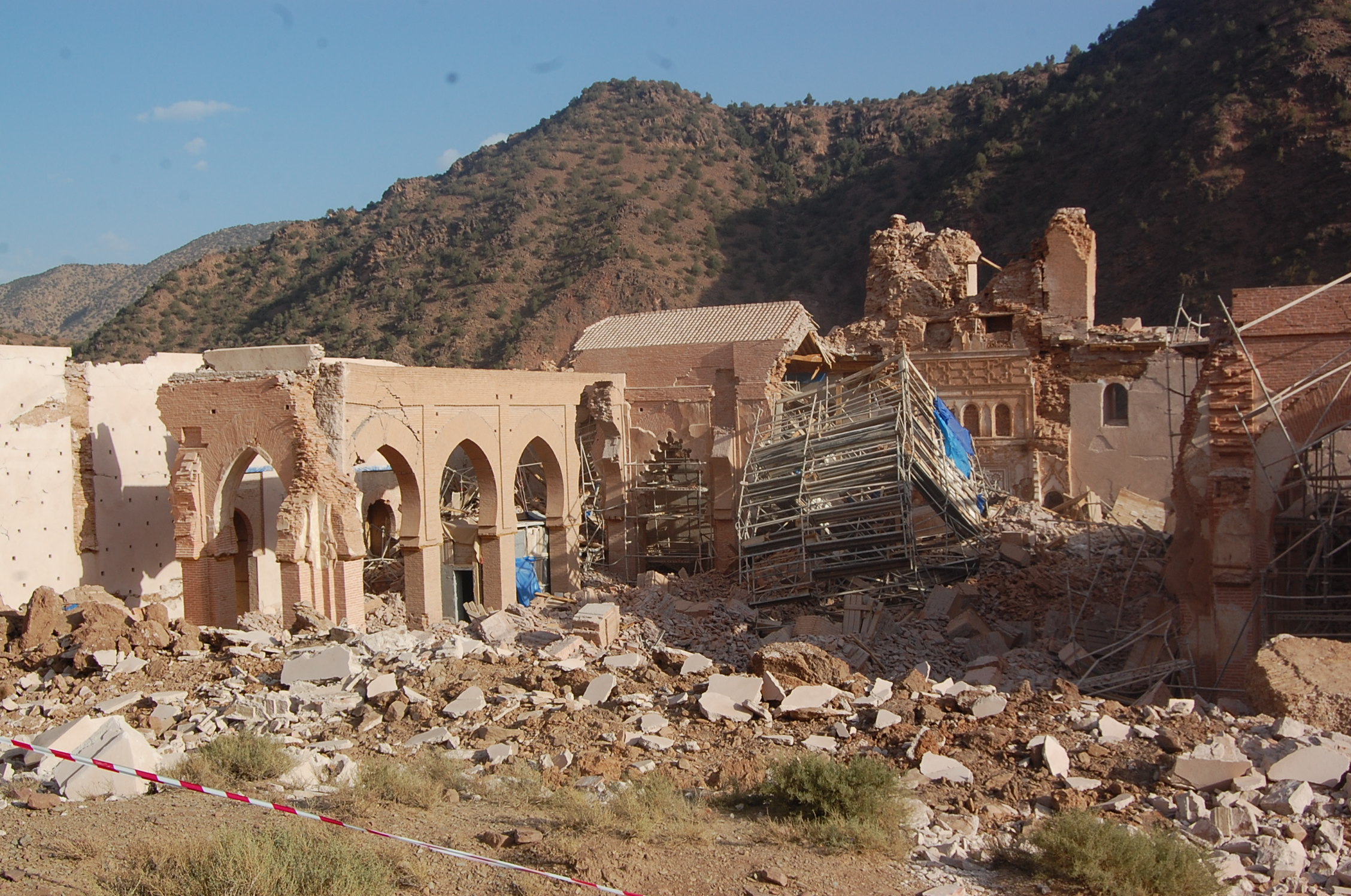
- Marrakesh and Tinmal as linked places.
- Almohad rule in the Maghreb and al-Andalus.