Editorial Summary
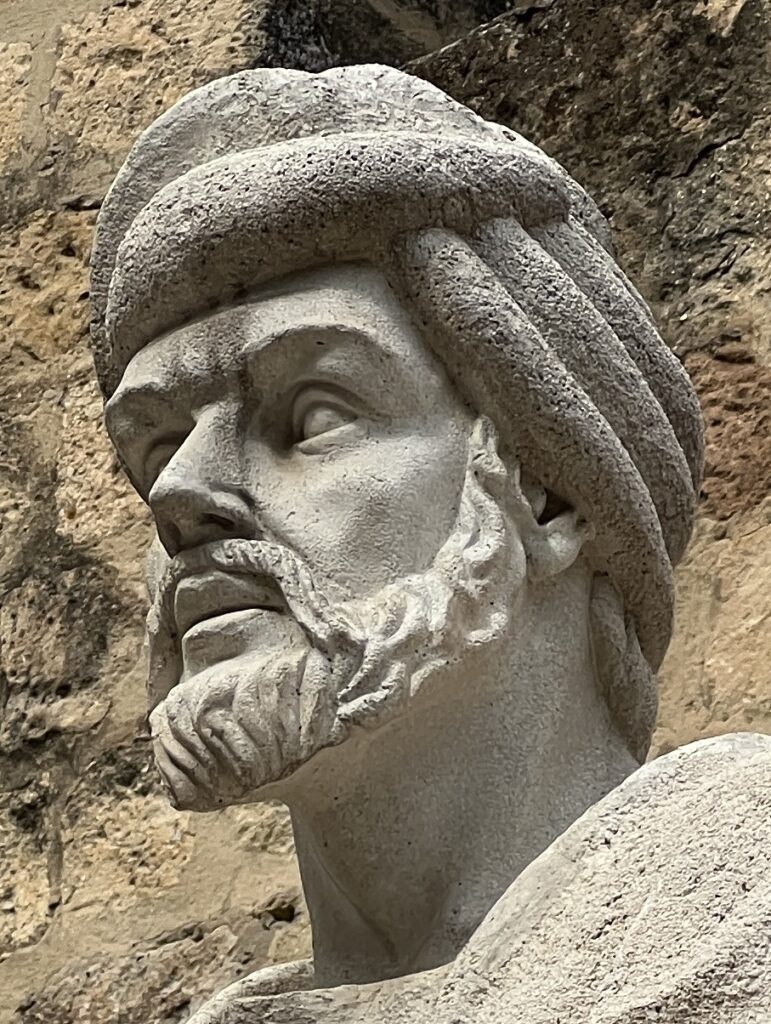
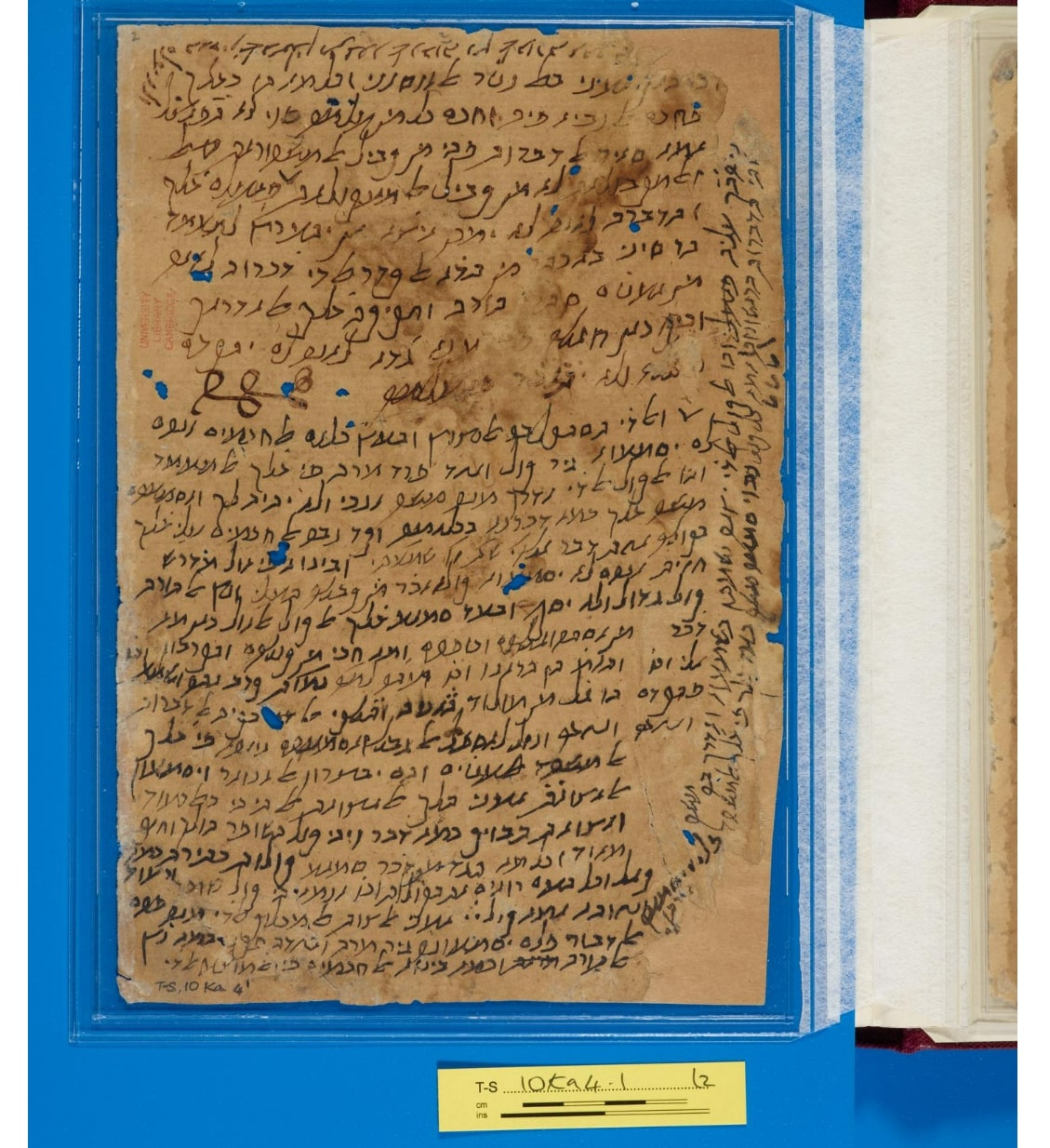
Some of the strongest evidence in Moor history is visual and material: manuscripts, coins, inscriptions, ceramics, metalwork, architectural fragments, maps, and documents. These sources make the past feel concrete. They also need careful limits.
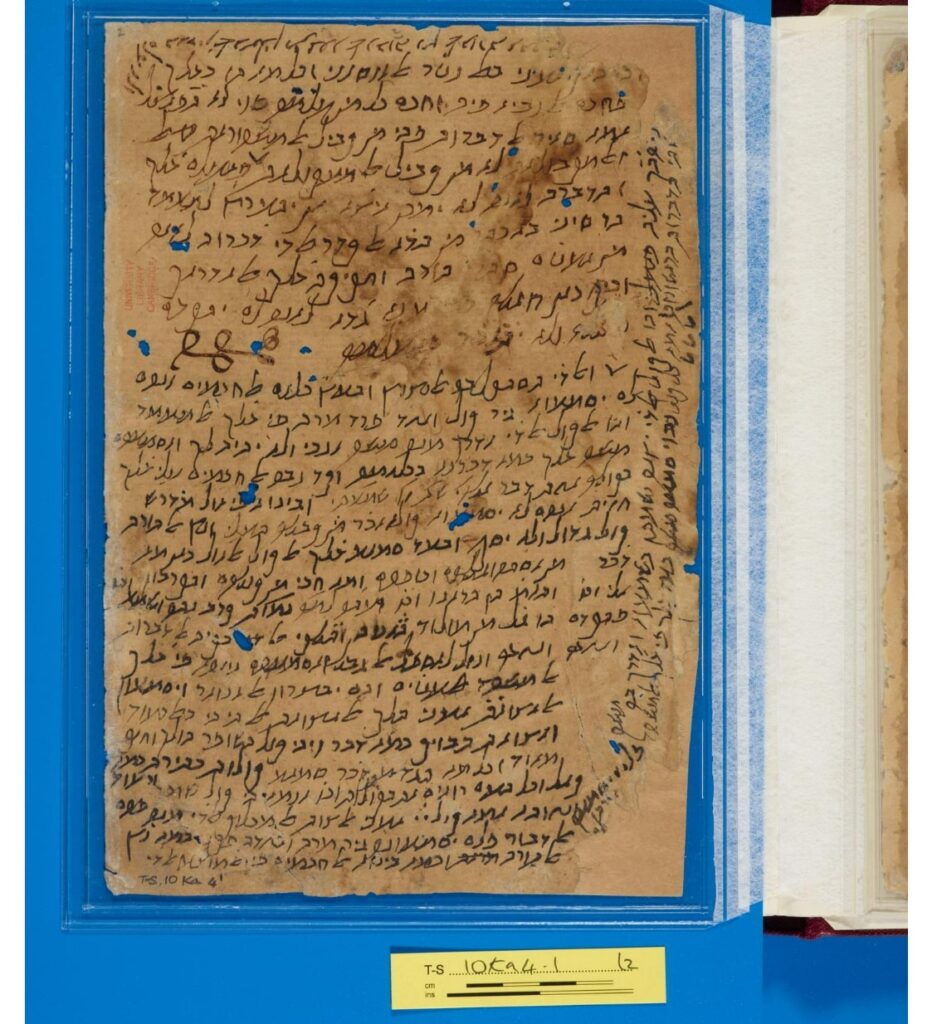
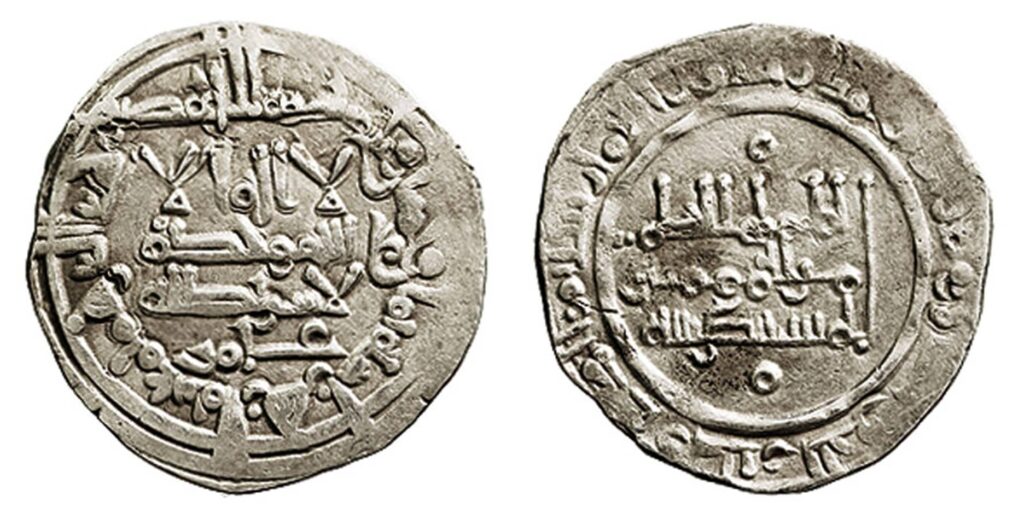
A coin can carry a ruler's name, date, mint, title, and political claim. A manuscript can preserve language, script, learning, and transmission. An inscription can show patronage or formula. An object can show craft, trade, use, and survival.
But no single object can carry the whole history.
That is the central discipline of source reading in this field. Readers often move from "this object is real" to "therefore the larger claim is true." The first statement may be solid while the second is still much too large.
What Objects Can Show Well
Objects are especially good at proving specific things:
- A name, title, or inscription appears.
- A script or language was used.
- A material or style circulated.
- A ruler, workshop, institution, or patron claimed authority.
- A source survived in a particular archive, library, museum, or collection.
That kind of evidence is valuable because it limits the claim. It anchors history in a thing that can be described, dated, compared, and cited.
Coins are especially useful when readers need proof of authority claims, titulature, or circulation. Manuscripts are especially useful when readers need proof of language use, scholarly transmission, or textual preservation. Inscriptions are especially useful when readers need proof of patronage, formula, or commemorative framing. Different objects answer different questions.
What Objects Cannot Prove Alone
Objects cannot automatically prove the identity of every person who saw, owned, copied, used, or inherited them. They cannot prove that elite culture represented everyone. They cannot prove modern racial, legal, or spiritual claims unless the object actually contains evidence for that specific claim.
They also survive unevenly. Archives preserve some voices and lose others. Luxury objects often survive better than ordinary items. Official records can outlast informal practice.
This survival bias matters. What remains is not a neutral sample of the past. It is the residue of preservation, collection, destruction, reuse, and institutional attention.
How To Read A Visual Source
Begin with the basics:
- What is the object?
- Where is it now?
- Where was it made or found?
- Who created, commissioned, copied, or preserved it?
- What date range is secure?
- What claim is the object being asked to support?
If the claim is broader than the object, narrow the claim.
Then ask one more question: what is missing? A beautifully preserved manuscript may tell you much about elite learning and almost nothing about village religious life. A coin may tell you who claimed power, not how fully that power reached the countryside.
A Good Pairing Rule
Try pairing each object with the kind of source that covers its weakness.
- Pair coins with fiscal or political history.
- Pair manuscripts with language, educational, or intellectual history.
- Pair inscriptions with patronage and building-phase analysis.
- Pair trade goods with port records, contracts, and commercial scholarship.
This is how objects move from impressive illustrations to real historical evidence.
A Good Evidence Habit
Use objects with other sources. Put a coin beside fiscal history. Put a manuscript beside language history. Put an architectural image beside building phases and patronage. Put a trade object beside port records, legal documents, and scholarship.
That layered approach is slower. It is also stronger.
It also improves reader trust. When a site shows not just the object but the reasoning that connects object to conclusion, the content stops feeling decorative and starts feeling researched.
Working Conclusion
Visual sources are not decoration. They are evidence. The discipline is to let each source speak clearly without forcing it to prove a slogan.