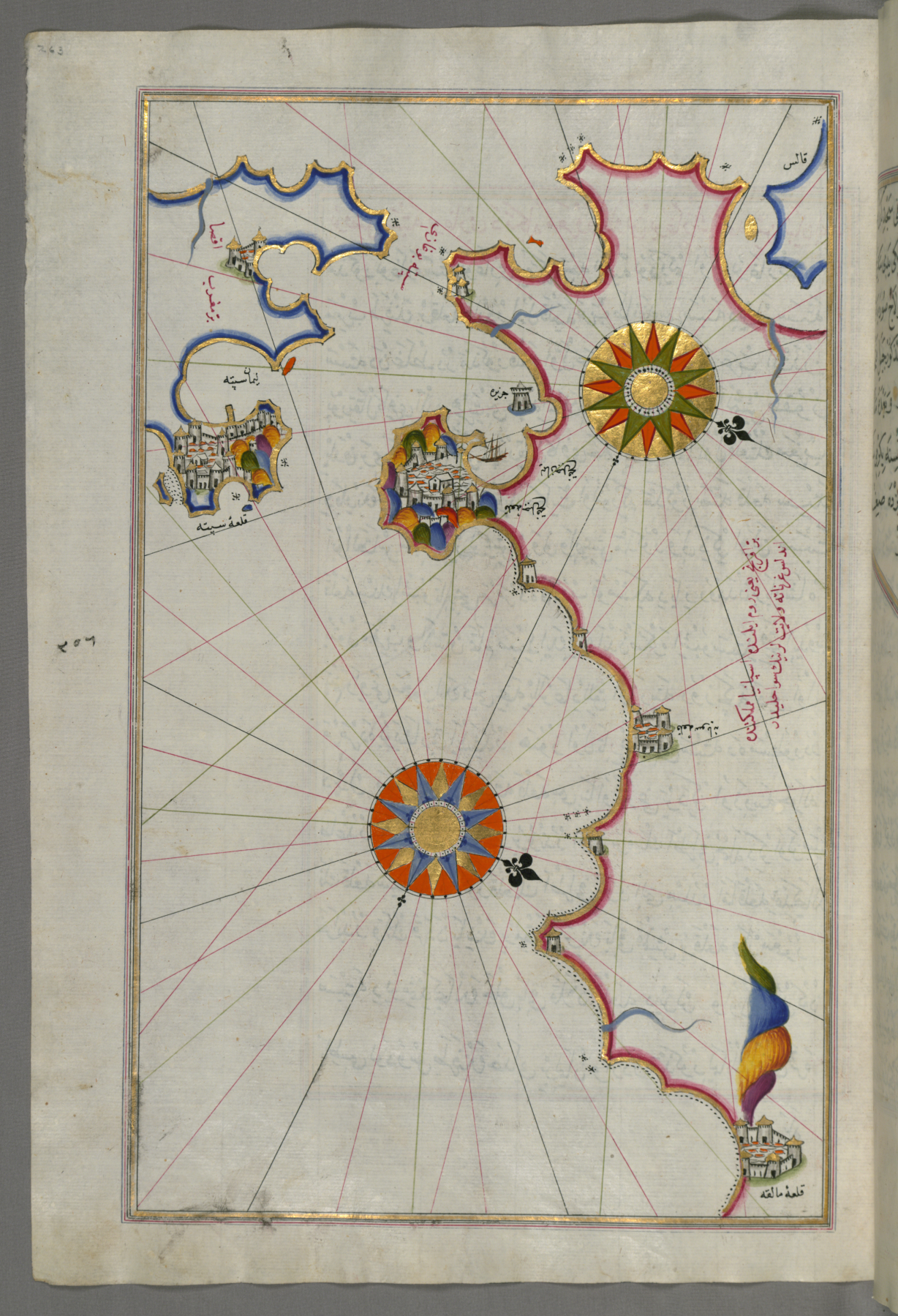

Definition
Moor is a shifting historical label used in medieval and early modern European writing for Muslims, North Africans, or people associated with Islamic Iberia and the western Mediterranean.
The safest short definition is this: Moor is a contextual label, not a stable identity category. Its meaning has to be read from the source that uses it.
Historical Usage
Read the word by asking who used it, in what language, for what audience, and in which century. A Latin chronicler, a Castilian legal text, an English travel writer, and a modern activist may not mean the same thing.
In some contexts the term points mainly to religion. In others it points to geography, outsider appearance, political opposition, or broad association with Islamic rule in Iberia or North Africa. European writers often used the word loosely. That looseness is part of the evidence, not a reason to force a false precision onto the past.
This is why historians hesitate when modern arguments treat every appearance of the term as proof of one people or one race. The word had real historical use, but it did not have one stable historical meaning.
Why The Term Causes So Much Confusion
The word is powerful because it feels familiar and singular. Readers see one label and assume one population. But medieval labels often grouped together people whose own local identities were more specific than the outsider term imposed on them.
That means "Moor" is often less like a passport category and more like a moving frame. It can reveal how Christian European writers perceived Muslim or North African others, but it does not automatically tell us how every person so labeled identified themselves.
Modern Usage
Modern readers may use Moor as a heritage, cultural, political, or educational term. Moor History Center treats those uses with care while keeping historical claims tied to source evidence.
That distinction matters. Modern identity uses can be socially meaningful even when they are not direct continuations of one medieval legal or ethnic category. A respectful treatment should keep both realities visible.
Common Confusion
Do not collapse Moor into one race, nationality, tribe, or legal status. The word often mixes religion, geography, politics, and outsider description.
Three common mistakes show up repeatedly:
- Treating every Moor as ethnically identical.
- Treating every use of Moor as if it referred only to Black Africans.
- Treating the word as if it had the same meaning in medieval Iberia, early modern England, and modern activist discourse.
Correcting those mistakes does not weaken African or North African history. It makes the history more accurate and easier to defend.
Reader Rule
When you see the word Moor, pause before drawing conclusions. Ask:
- Who is using the word?
- About whom?
- In which place?
- In which century?
- For what purpose?
If those questions are unanswered, the term is being asked to carry more certainty than the source can support.